When it comes to choosing the right firewood, one of the most important factors is moisture content. Whether you’re heating your home with a wood-burning stove, an open fire, or an outdoor fire pit, the amount of water inside the wood has a direct impact on how well it burns, how much heat it produces, and how cleanly it performs.
What is Moisture Content?
Moisture content is the percentage of water present in the wood. Freshly cut logs, often called “green wood”, can have a moisture content of 50% or more. This means that half of the log’s weight is actually water.
Over time, as the wood is seasoned (air-dried) or kiln-dried, the moisture level reduces. For wood to be suitable for burning, it needs to be at 20% moisture or lower.
Why Low Moisture Content is Important
- Efficient Burning
- Dry wood burns hotter and more efficiently because less energy is wasted evaporating water.
- Wet logs create more smoke and steam, reducing the heat output.
- Cleaner Chimneys & Flues
- Burning wet wood leads to more tar and creosote build-up in chimneys.
- This not only reduces efficiency but also increases the risk of chimney fires.
- Better for the Environment
- Dry wood produces fewer pollutants and less smoke.
- It complies with the UK’s air quality regulations, helping reduce harmful emissions.
- Cost-Effective
- Logs with high moisture give off less heat per log, meaning you’ll need to burn more to stay warm.
- Ready-to-burn wood saves money in the long run by providing more usable energy.
The Ready to Burn Standard
In the UK, the “Ready to Burn” certification guarantees that wood fuel has a moisture content of 20% or less. This standard was introduced to:
- Help households choose cleaner, more efficient firewood.
- Improve air quality by reducing the burning of wet wood.
- Provide peace of mind that the wood meets legal requirements.
When buying logs, look for the Woodsure Ready to Burn logo as a sign of quality and compliance.
How to Check Moisture Levels Yourself
- Moisture Meters: Affordable handheld devices that test the water content of logs.
- The Knock Test: Dry logs make a hollow “clunk” sound when struck together, whereas wet logs sound dull.
- Visual Signs: Dry logs often have cracks at the ends and lighter weight compared to freshly cut wood.
Key Takeaway
If you want your firewood to burn hotter, cleaner, and safer, always choose logs that meet the Ready to Burn standard. Keeping moisture content at or below 20% ensures maximum efficiency, compliance with UK regulations, and the best experience from your stove or fireplace.
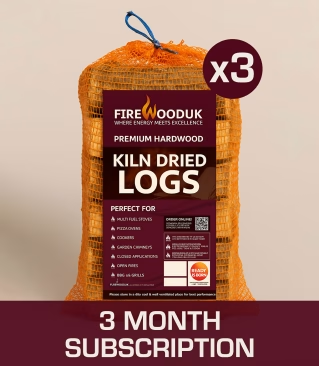
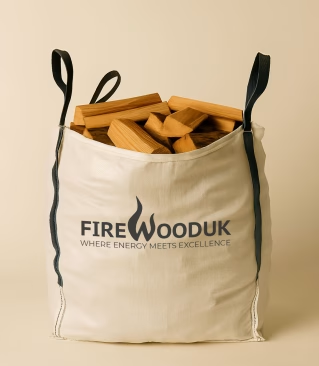
👉 For guaranteed quality, all our firewood is kiln-dried and certified Ready to Burn, so you can light your fire with confidence.