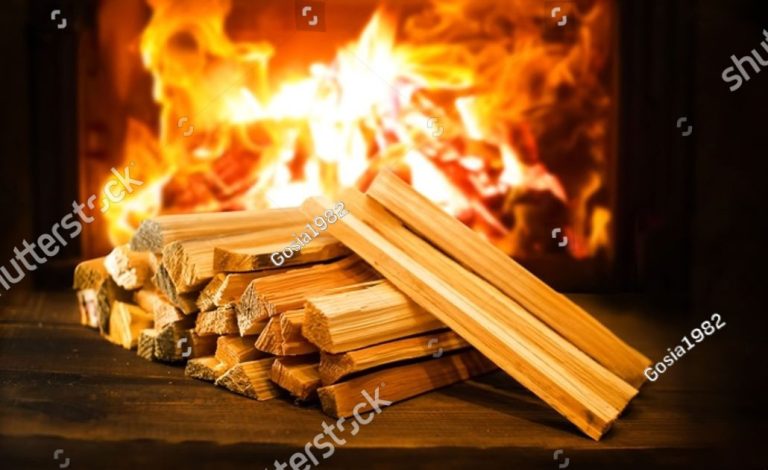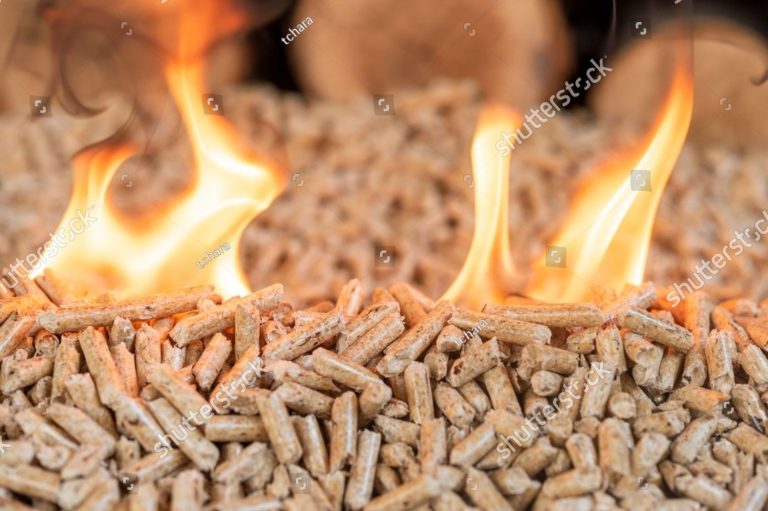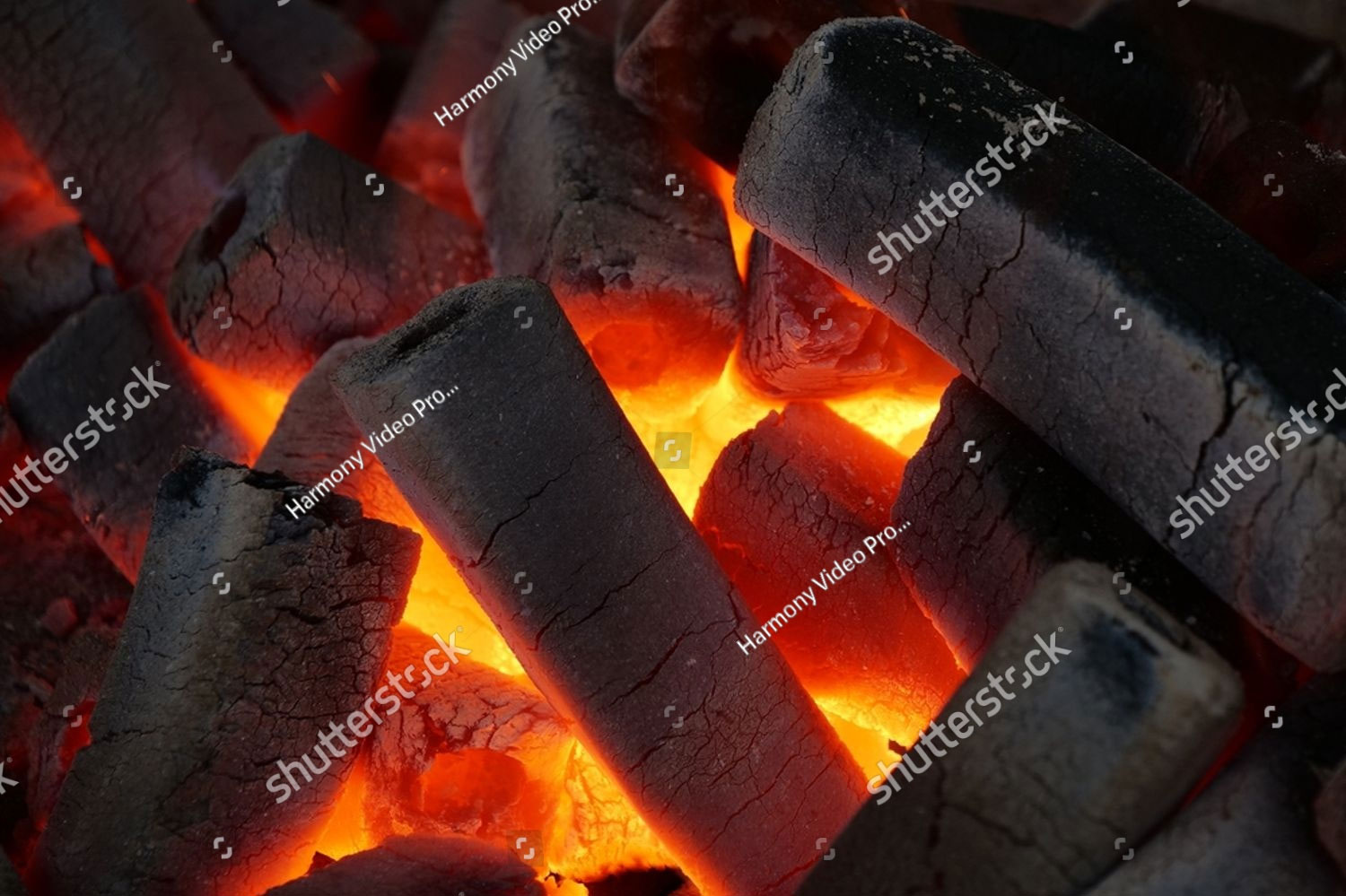
Burning firewood seems simple, light a log, sit back, and enjoy the warmth. But in reality, many homeowners make mistakes that can waste fuel, damage stoves, or even create safety hazards. By avoiding these common pitfalls, you’ll get more heat, save money, and enjoy a cleaner, safer fire.
1. Burning Wet or Unseasoned Logs
One of the biggest mistakes is using logs that aren’t properly dried.
- Problem: Wet logs contain excess moisture, which means energy is wasted boiling off water instead of producing heat. This leads to smoky fires, dirty stove glass, and chimney tar build-up.
- Solution: Always burn kiln-dried or seasoned logs with a moisture content below 20%. Look for the Ready to Burn logo for guaranteed quality.
2. Overloading the Firebox
It’s tempting to pile in as many logs as possible, especially on a cold night.
- Problem: Overloading restricts airflow, causing poor combustion and heavy smoke. It can also shorten the life of stove components.
- Solution: Stack logs loosely with space for air circulation. A few well-burning logs are far more effective than an overstuffed stove.
3. Running the Stove Too Cool
Some people keep the stove “ticking over” at very low heat to make logs last longer.
- Problem: Low burn temperatures encourage soot, creosote, and tar deposits in both the glass and flue. This reduces efficiency and increases the risk of chimney fires.
- Solution: Give your stove a hot burn for at least 20–30 minutes daily to keep it clean and efficient.
4. Using the Wrong Fuels
Not all fuels are suitable for all appliances.
- Problem: Burning treated wood, painted wood, or household waste releases toxic fumes and damages your stove. Some areas also restrict certain types of coal.
- Solution: Stick to approved fuels only. Kiln-dried logs, smokeless coal, or briquettes designed for domestic use.
5. Neglecting Regular Maintenance
Even with good fuel, fires still create deposits over time.
- Problem: Skipping maintenance means dirty glass, clogged air vents, and dangerous creosote build-up in your chimney.
- Solution:
- Clean stove glass regularly (a damp cloth dipped in cool ash works well).
- Book a professional chimney sweep at least once a year.
- Check seals, vents, and fire bricks for wear.
Key Takeaway
Burning firewood is most rewarding when done safely and efficiently. Avoiding wet logs, overloading, cool burns, poor fuel choices, and skipped maintenance will keep your fire hotter, cleaner, and more economical.